Trail-camera AI for whitetail hunters
Home base for everything on your ground.
It sorts your trail-cam photos by species, holds the empties for you to check, keeps a page for every buck you name, and reads your land from lidar.
 Whitetail · Buck
- ⬢Any camera brand
- ⬢SD card or app export
- ⬢Nothing deleted automatically
The mechanism
How it works
- 01
Upload
SD card straight from the reader, or the photo export from any brand's app. Spypoint, Tactacam, Moultrie, Browning — one library, no matter what's on the trees.
- 02
Sorted
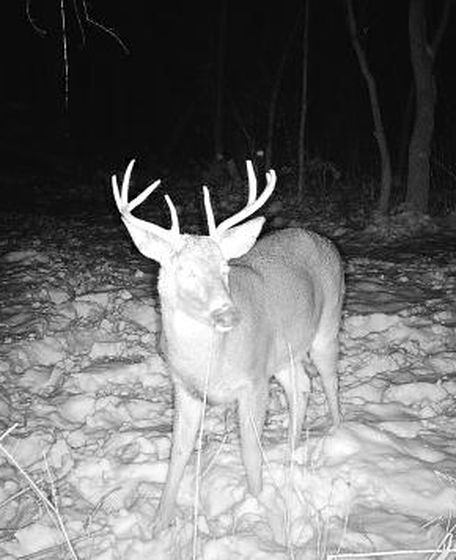
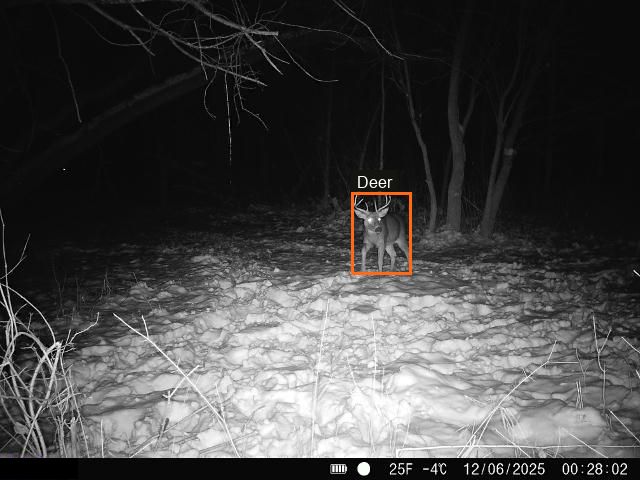
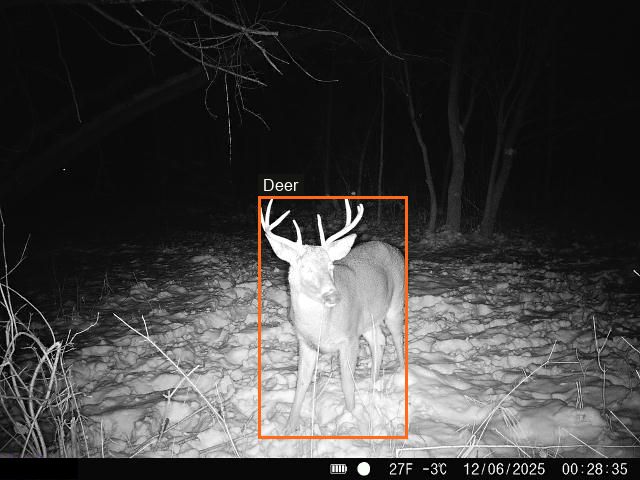
About a minute later: the likely-empty frames are piled for a glance-and-delete, deer are split from turkeys and coyotes, and photos of people are flagged private.
- 03
Named
Name a buck once and every photo you tag joins his page — cameras, hours, seasons. The list you actually hunt, built from your own ground.
What you keep
A buck you name gets a page that grows all season.
Name him once. Every photo you put on him joins one record — which cameras, which hours, which months — so that folder of 40,000 files turns into a short list of deer you actually know.
Next August it is still there. That is the part a folder on a laptop has never done, and it is why the second season is worth more than the first.
One card in. One hit list out.
 His page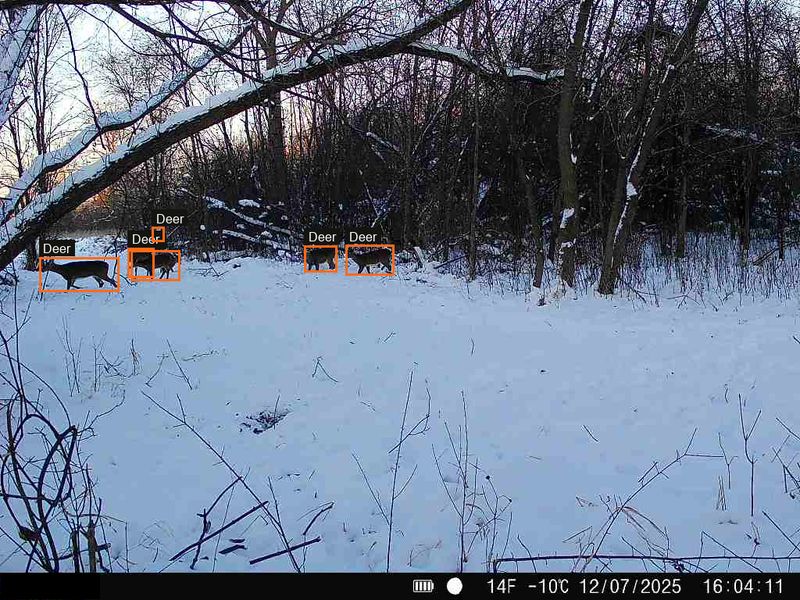
Property Scout
Property Scout analyzes your land from 1 m lidar.
It reads the woods, the fields and the lay of the land from lidar, then marks where to sit, where they bed and where a camera goes — each one drawn from your property's own data.
Property Scout reads the woods, the fields and the shape of the ground from 1 m lidar, then marks a sit, where they bed and where a camera goes — each with the measurement behind it. Keep the ones you like; they stay on your map, and the layers stay on for the walk in.
- 10 ft contours
- 3D on the lidar, trees standing
- Habitat — woods, field, water
- Public land
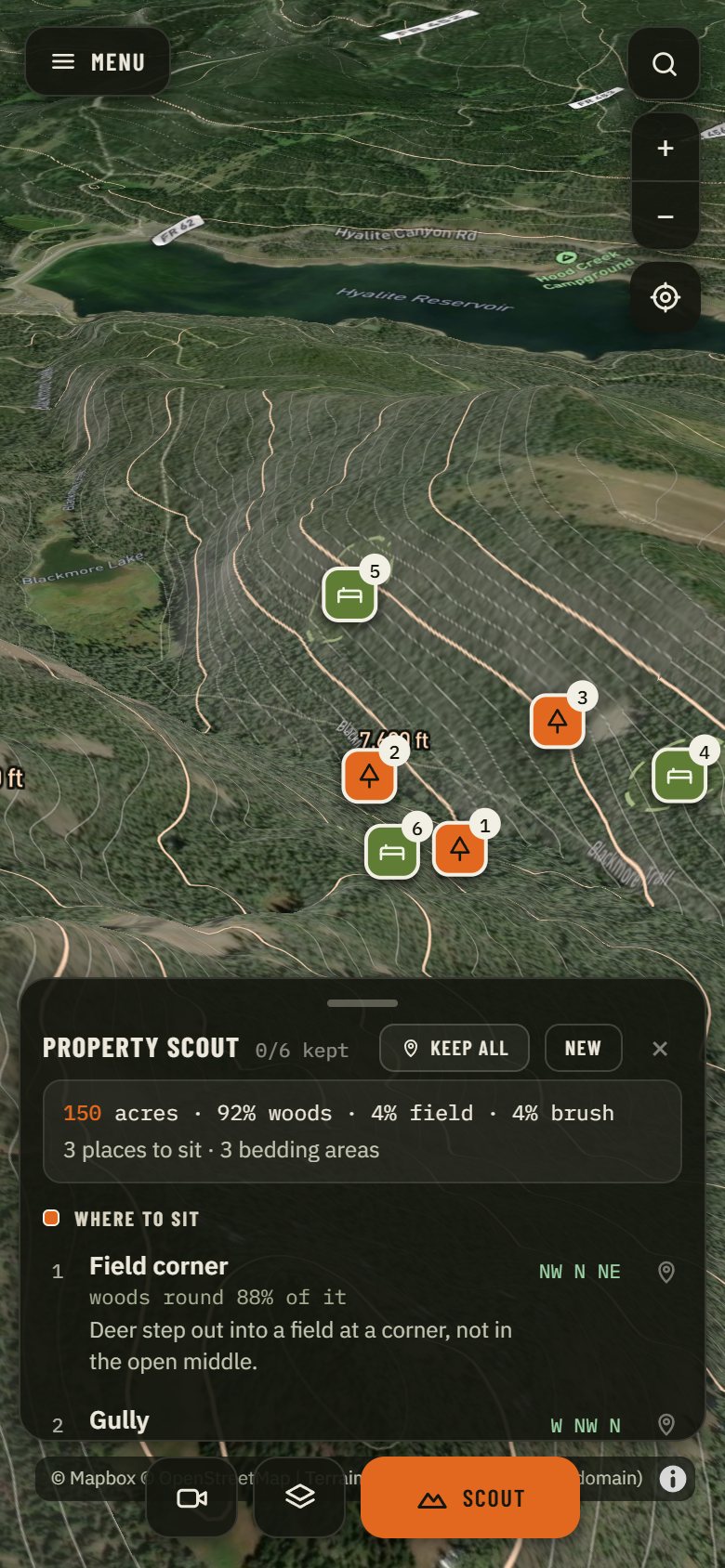
Map © Mapbox © OpenStreetMap · Terrain USGS 3DEP
What it will not do
Nothing is deleted without you.
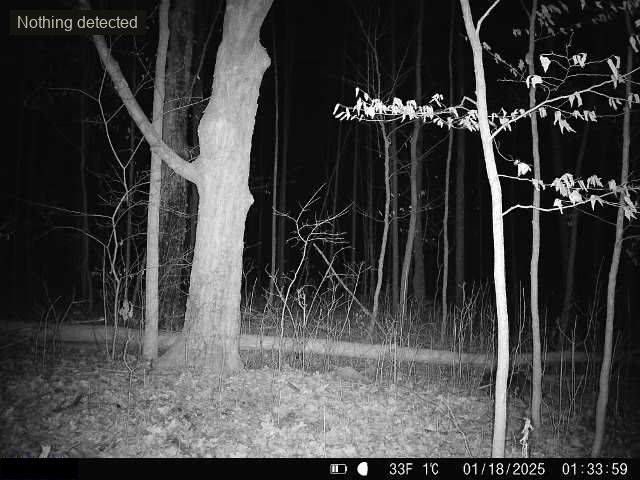
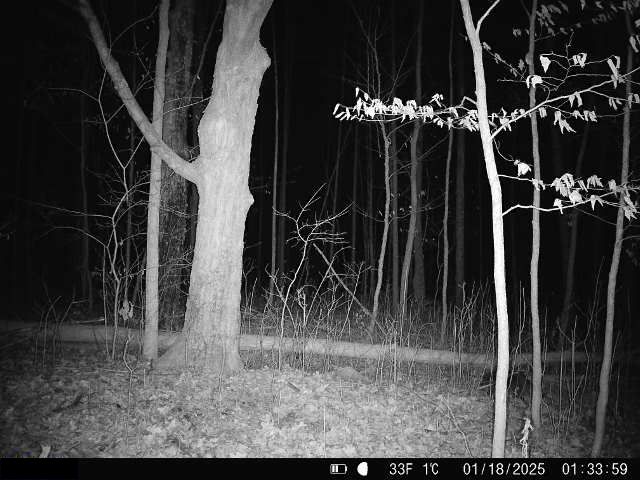
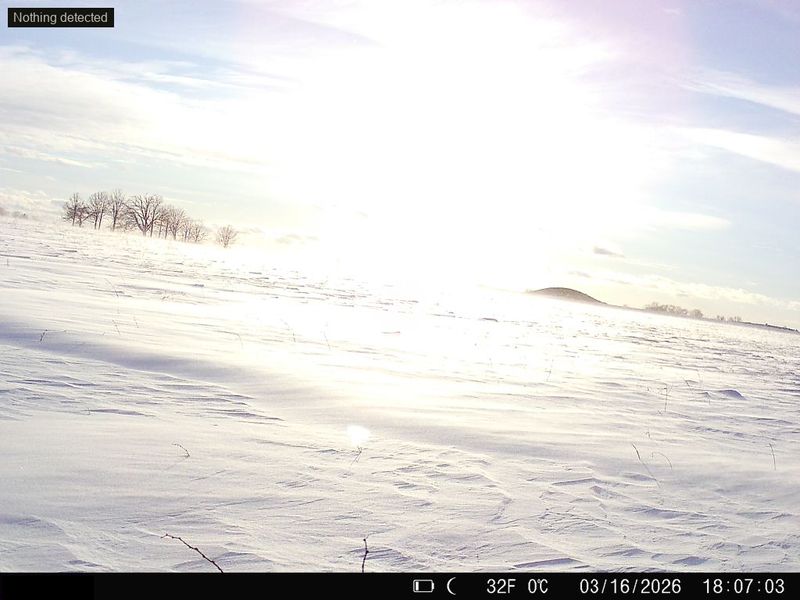
Frames that look empty go to a review pile, six to a screen, and you clear them with a glance. The sorter is allowed to be wrong there — a rabbit at the edge of the dark gets rescued in one tap, and the trash only opens from your side.
 Keep
Keep
9 to review · the coyote rescued · the rest go when you say
What the record holds
When he moved, and what the weather was doing.
Hours and cameras from your own photos, past tense, with the count they rest on — 14 sightings is stated as 14 sightings, never dressed up as a rate. Each one carries the conditions at that camera, pulled from the public archive at the spot rather than the nearest airport.
Sightings by hour
Wind at sightings
NW · 14 of 22 sightings
Sightings by month
Temperature at sightings
Daylight sightings between 31° and 44°F · read at the camera, not the airport
From your own photos, joined to the archive at that camera. Times are whatever the camera's own clock said.
What you can show
A card for the group chat that gives nothing away.
Mint a link from any buck's page and it unfurls as a card with his name, his tally and his best frame. No coordinates, no map, no property name — the card brags and your spot stays quiet.
Whitetail · BuckGetBucked · Buck card
The 8What it costs
Sort a card before you decide anything.
Your first card is free and nothing is deleted without you. When a season's worth of history is worth keeping, pick a plan.
The one hard rule
Your spots stay yours.
- ⬢GPS is stripped from every photo at upload, before storage
- ⬢We never ask for camera locations — hanging a pin on a map is optional and private
- ⬢No location data on anything shared or public, ever
Frequently asked questions
Which camera brands work?+
All of them. Photos come in off the SD card or from any brand's app export — Spypoint, Tactacam, Moultrie, Browning, Reconyx, whatever is strapped to your trees. The sorter doesn't care who made the camera.
Can it delete something I wanted to keep?+
No. Nothing is ever deleted automatically. Photos that look empty go to a review pile where you glance and decide — the trash can only opens from your side.
Do you see where I hunt?+
No. GPS is stripped from every photo at upload, we never ask for camera locations, and nothing public ever carries location data. Your spots are not our business.
What does it cost?+
Sort your first card free — 1,000 photos and 3 cameras. Plans start at $79 a year after that; the pricing page has the whole picture.
What happens to my photos if I stop paying?+
They're yours. You can export your whole library any time, and cancelling a paid plan never deletes anything. A free trial that runs out is the one exception: everything stays put for another 14 days so you can export or pick a plan, and only then is the account removed.
See what's on your ground.
One card in. One hit list out.